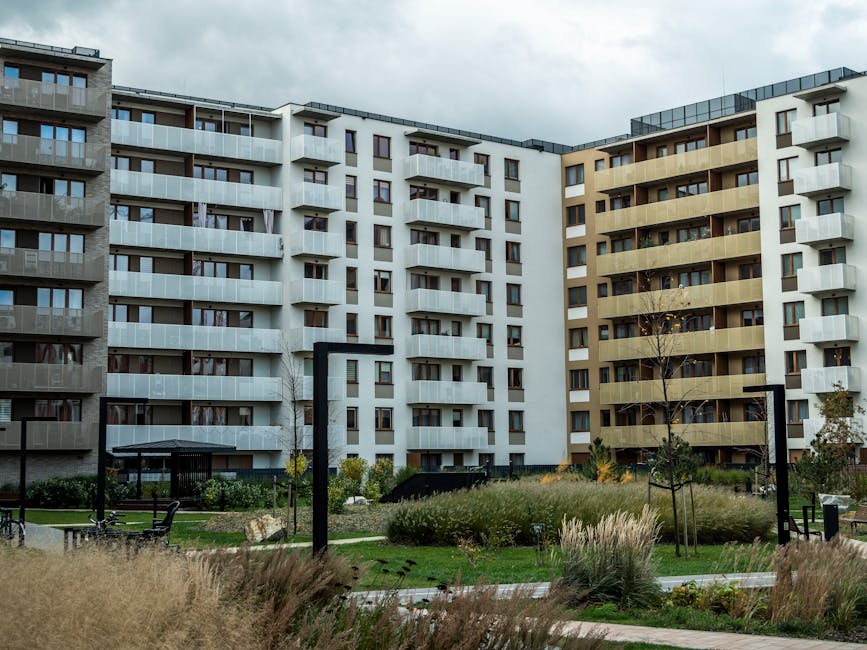
Upper Norwood estate cleaning and communal area maintenance
If you manage, live in, or represent a block of flats in Upper Norwood, you already know the basics: communal spaces have a habit of showing every scuff, muddy footprint, and forgotten flyer. A tidy entrance can make the whole building feel calmer. A neglected stairwell can do the opposite in about five minutes flat.
Upper Norwood estate cleaning and communal area maintenance is not just about appearances. It is about keeping shared areas pleasant, safer to use, easier to manage, and less likely to spiral into bigger problems. In practice, that means regular cleaning, sensible maintenance routines, and a service plan that fits how the building is actually used. This guide walks through what matters, how it works, what to avoid, and how to choose the right approach without overcomplicating things.
Expert summary: the best communal area cleaning plans are simple, consistent, and documented. Focus on entrances, stairs, touchpoints, flooring, glass, and waste control first. Then build in deeper periodic work so grime never gets the chance to settle in.
Table of Contents
- Why it matters
- How it works
- Key benefits and practical advantages
- Who this is for and when it makes sense
- Step-by-step guidance
- Expert tips for better results
- Common mistakes to avoid
- Tools, resources and recommendations
- Law, compliance, standards, or best practice
- Options, methods, or comparison table
- Case study or real-world example
- Practical checklist
- Conclusion
- Frequently asked questions
Why Upper Norwood estate cleaning and communal area maintenance Matters
Shared areas work hard. People walk through them multiple times a day, often with shopping bags, prams, wet umbrellas, pets, bikes, deliveries, and the occasional muddy shoe that somehow leaves a trail from one end of the landing to the other. Upper Norwood properties are no exception. Whether the building is a compact conversion or a larger estate-style block, communal areas take more wear than most individual homes.
That is why a consistent cleaning and maintenance routine matters. It protects first impressions, yes, but it also supports day-to-day comfort. Residents are less likely to complain when the entrance smells fresh, the floor is clean, and the stairs feel looked after. Visitors notice it too. So do prospective tenants and buyers, even if they never say so out loud.
There is also a practical side. Dirt builds up in corners, on skirting boards, around bins, and in high-traffic areas like handrails and lift buttons. Left alone, small issues become larger ones: staining, odours, worn finishes, blocked waste points, or slippery floors. That is the part people often miss. The real value of communal area maintenance is not just cleanliness on the day. It is avoiding a slow slide into shabby.
For estate agents, landlords, resident management companies, and block managers, that consistency can reduce friction. Fewer complaints, fewer emergency callouts, and less last-minute scrambling before inspections. To be fair, the difference between "managed" and "ignored" can be surprisingly small. A good mop schedule, a decent glass clean, and proper waste handling go a long way.
How Upper Norwood estate cleaning and communal area maintenance Works
Most communal cleaning plans are built around frequency, access, and the building's usage pattern. There is no universal template that suits every property, which is why a quick walk-through is so useful. A quiet period block with a few residents is very different from a busier building with frequent footfall, external visitors, and shared refuse points.
A typical service begins with a survey of the property. This identifies the highest-traffic areas, any flooring that needs special care, and any recurring problems such as litter, damp marks, or touchpoint build-up. From there, the cleaning schedule is set. In some buildings, weekly cleaning is enough. In others, especially where traffic is heavier, more frequent visits make better sense.
Communal area maintenance usually combines routine cleaning with occasional restorative tasks. Routine work keeps things stable. Restorative work deals with what routine cleaning cannot fully resolve: ingrained dirt, scuffed flooring, stubborn marks on walls, tired carpets, or windows that have lost their clarity over time. You can think of it as maintenance with rhythm, not just reaction.
In practical terms, the cleaning team may focus on:
- entrance halls and door glass
- stairwells, bannisters, and handrails
- lifts and lift surrounds
- flooring, including hard floors and mats
- communal carpets where fitted
- bin stores and refuse areas
- noticeboards and visible touchpoints
- internal windows, sills, and ledges
Where required, additional services can be built into the plan. For example, properties with carpeted communal landings may need periodic carpet cleaning, while glossy tiled or vinyl floors may benefit from specialist hard floor cleaning. If the building has external glass or difficult upper-level windows, window cleaning can make a dramatic difference to the whole look of the property.
Good maintenance also includes reporting. If a cleaner notices a broken light cover, a leak, a damaged mat, or an overflowing bin store, that should be logged quickly. Cleaning and maintenance are cousins, really. They overlap more than people expect.
Key Benefits and Practical Advantages
The most obvious benefit is visual. A clean communal space looks cared for, and that changes how people behave in it. When a building looks tidy, residents tend to treat it with more respect. It is a small thing, but a real one.
Here are the main practical advantages:
- Better resident experience: people feel more comfortable using the building every day.
- Improved safety: regular cleaning helps reduce slippery residues, loose debris, and trip hazards.
- Longer-lasting finishes: flooring, paintwork, mats, and fixtures tend to last longer when dirt does not sit on them for weeks.
- Fewer complaints: a predictable schedule means fewer disputes about who should do what.
- Better property presentation: useful for lettings, inspections, and general value perception.
- Less reactive spending: a little routine care can prevent expensive deep restoration later.
There is also a quieter benefit: confidence. Residents feel looked after when communal areas are managed properly. That matters in Upper Norwood, where buildings can be a mix of older shared spaces and modern apartment blocks. A decent cleaning routine bridges that gap between "lived-in" and "looked after".
And yes, the less glamorous advantages matter too. Waste areas that are cleaned properly are less likely to attract pests. Dirty mats are less likely to spread grit indoors. Worn stair treads are easier to spot before they become a problem. The list goes on, a bit unexciting perhaps, but essential.
Who This Is For and When It Makes Sense
This kind of service is useful for a wide mix of people. If you are a freeholder, managing agent, resident director, landlord with a block, housing association contact, or a leaseholder group trying to keep things civilised, you will know how quickly communal mess can become a sticking point. Even one neglected landing can colour people's whole view of the building.
It also makes sense when the property has one or more of the following:
- shared hallways or staircases
- communal entrances with glazing
- lift access and button panels
- shared refuse or recycling spaces
- carpeted landings or heavily used floors
- frequent foot traffic from residents and visitors
For smaller blocks, a lighter schedule may be enough. For busier blocks, or buildings with constant coming and going, a more frequent visit pattern is often the sensible option. Truth be told, the building usually tells you what it needs if you pay attention for a week or two.
It is also worth thinking about seasonal change. In winter, wet floors and salt residue can become common. In spring and summer, dust, open windows, pollen, and more outdoor traffic can change the picture. A service that adapts with the seasons tends to work better than one locked into a rigid plan that ignores reality.
Step-by-Step Guidance
If you are setting up or improving a communal cleaning plan, keep it straightforward. The best systems are usually the ones people can actually follow.
- Walk the building properly. Start with a complete look at entrances, landings, stairs, lifts, bin areas, and any awkward corners. Note where dirt gathers and where residents touch surfaces most often.
- Separate daily wear from periodic work. Decide what needs routine attention and what only needs monthly or quarterly work. For example, touchpoints may need regular disinfection or wiping, while deep carpet work can be scheduled less often.
- Set a realistic frequency. The right schedule depends on traffic, building size, and how fast the area gets messy again. If a weekly clean does not hold, adjust it. No drama.
- Define the scope clearly. Be specific about what is included: floors, skirting, lift panels, internal glass, bins, cobwebs, and so on. Vagueness causes arguments later.
- Build in reporting. A cleaner should be able to flag damage, leaks, pests, broken lights, or blocked entrances without fuss.
- Review regularly. After a few visits, check whether the standard is holding. If the entrance looks good on Monday but tired by Thursday, the plan may need tightening.
A useful approach is to keep the plan practical rather than aspirational. A building does not care how fancy the checklist sounds. It only cares whether the stairwell is clean, the bin store is under control, and the lift button isn't sticky by lunchtime.
Expert Tips for Better Results
After enough block cleans, a few patterns become very clear. Small details matter more than people expect.
1. Start with the entry point. If the entrance is clean, the whole property feels cleaner. A tidy mat, clear glass, and wiped handles set the tone immediately.
2. Use the right method for the surface. A hard floor, a carpeted landing, and a painted wall all behave differently. For example, using the wrong product on a floor can leave streaks or a slippery finish. Not ideal, obviously.
3. Focus on touchpoints. Handrails, door handles, push plates, lift buttons, and intercom panels get used constantly. Clean them properly and often.
4. Do the unglamorous bits. Skirting boards, corners, and the edges of stairs make a bigger difference than people think. That's where dust likes to live.
5. Keep communication simple. Residents do not want a long email essay. A short note about the schedule, access, and any temporary changes is enough.
6. Use periodic deep work, not only surface cleaning. If a communal area is always "tidy" but never properly refreshed, it will still age badly. Periodic deep cleaning can reset the space and support the routine visits.
One thing we have noticed in practice: people often expect miracles from one visit. That is understandable, but communal areas usually respond best to consistency. Clean little and often. Then clean properly when needed. Simple, but effective.
Common Mistakes to Avoid
The biggest mistake is treating communal cleaning like an emergency service only. That usually means the space gets attention after it already looks poor, and by then the damage is partly done. It is much harder to rescue a neglected stairwell than to maintain one.
Other common missteps include:
- Leaving the scope unclear: if nobody knows what is included, something always gets missed.
- Ignoring the bin area: refuse zones can quickly undo all the good work elsewhere.
- Using the same method everywhere: carpet, stone, laminate, and vinyl all need different treatment.
- Forgetting seasonal changes: winter grit and wet weather need a different approach from dry summer dust.
- Skipping inspections: you cannot improve what you do not check.
- Over-cleaning delicate surfaces: yes, that happens. Too much pressure, too much moisture, or the wrong product can create new problems.
Another one, and this is a bit of a classic: assuming residents will "just look after it". Some will. Many will try. But shared spaces need a plan because human beings are busy, distracted, and occasionally brilliant at leaving things in the wrong place.
Tools, Resources and Recommendations
You do not need a warehouse full of equipment to maintain a decent communal area. What matters is using the right tools well.
Commonly useful items include:
- microfibre cloths for dusting and touchpoints
- mops and buckets suited to the flooring type
- safe, surface-appropriate cleaning solutions
- vacuum cleaners with good edge and stair performance
- glass cloths for internal windows and doors
- signage for wet floors during cleaning
- bins, liners, and waste handling supplies
For buildings with more demanding surfaces, specialist support can help. Communal carpets may need carpets cleaner support if the fibres are dull or heavily marked, while stairs and entrance mats may benefit from targeted carpet cleaner solutions. External presentation can also improve a lot with facade cleaning when the frontage is letting the building down.
If the block includes shared office-style management space or a concierge room, then office cleaning principles can be useful too: tidy desks, clean glass, organised waste, and regular attention to touchpoints. Different spaces, same logic.
For readers comparing providers, it is sensible to ask about insurance, staff training, and what happens if access is restricted on the day. Those details sound small until a key is missing and everyone is emailing each other at 8:40 a.m.
Law, Compliance, Standards, or Best Practice
Communal area cleaning in residential buildings is usually guided by a mix of property management responsibilities, lease arrangements, building rules, health and safety expectations, and general good practice. The exact obligations can vary from one building to another, so it is wise to check the relevant paperwork rather than rely on assumptions.
From a practical perspective, the important things are straightforward:
- cleaning activities should not create avoidable slip hazards
- products should be used safely and stored correctly
- staff should be able to work around residents with minimal disruption
- any maintenance issue noticed during cleaning should be reported promptly
- waste and recycling areas should be handled with care and regularity
It is also good practice to work with a provider that treats safety seriously. If you want a clear sense of how a company approaches this, review the health and safety policy and the insurance and safety information. That is not box-ticking. It is just sensible due diligence.
Environmental responsibility matters too. Many residents now expect lower-waste, more thoughtful cleaning where possible. A supplier that takes recycling and sustainability seriously will usually fit better with modern communal management expectations.
Best practice is not about grand claims. It is about consistency, safety, communication, and doing what you said you would do. Simple, but that is where trust comes from.
Options, Methods, or Comparison Table
Different buildings need different approaches. Here is a practical comparison to help you think it through.
| Approach | Best for | Strengths | Limitations |
|---|---|---|---|
| Basic routine clean | Quiet, low-traffic buildings | Affordable, simple, easy to manage | May not be enough for heavy wear or recurring dirt |
| Routine clean plus periodic deep work | Most residential blocks | Balances upkeep with longer-term appearance | Needs a little planning and review |
| Enhanced maintenance schedule | Busy blocks, higher resident turnover, problem areas | Keeps standards high and complaints lower | Costs more and needs tighter coordination |
In many cases, the middle option is the sweet spot. A routine clean keeps the building presentable, while deeper periodic attention prevents the "it's clean, but somehow still tired" effect. That effect is real, by the way. You can feel it when you walk in.
If your building has a lot of soft flooring, consider the relationship between routine vacuuming and specialist carpet cleaning. If it has hard flooring in the entrance and landings, hard floor cleaning may deliver a bigger visual lift than people expect.
Case Study or Real-World Example
Here is a realistic example, based on the kind of situation many Upper Norwood buildings face. A medium-sized block had a neat entrance in theory, but the reality was a bit weary: dust on the skirting, muddy marks near the door, a dull landing carpet, and a bin store that always seemed one bad day away from becoming a complaint magnet.
The first step was not a dramatic overhaul. It was a sensible reset. The entrance was deep cleaned, the flooring was treated appropriately, touchpoints were brought back under control, and the windows and door glass were cleaned properly. Then the team moved to a simple maintenance rhythm: regular visits for the main traffic areas, with periodic attention to the carpets and glass.
What changed? Not everything at once. That would be a fairy tale. But the residents noticed the entrance first, then the stairs, then the fact that the place no longer felt a bit abandoned by Friday afternoon. Complaints dropped. The block felt calmer. And the cleaning team could keep it that way without heroics.
That, in the end, is what good communal maintenance looks like: predictable, low-drama, and quietly effective.
Practical Checklist
Use this as a quick sense-check for your building.
- Entrance area cleaned regularly
- Door glass, frames, and handles wiped
- Stairs, landings, and bannisters maintained
- Lift panels and buttons cleaned
- Floors treated according to surface type
- Communal carpets vacuumed and periodically deep cleaned
- Bin and recycling areas monitored
- Internal windows and ledges addressed
- Any damage or maintenance issues reported quickly
- Cleaning schedule reviewed after a few visits
- Residents informed about access or timing changes
- Safety signs used where required
If you can tick most of those boxes, you are already ahead of many buildings. If not, no panic. Start with the highest-traffic areas and build from there.
For many properties, a periodic one-off cleaning visit is a good way to reset the standard before moving onto a regular maintenance plan. It is often the easiest way to get things back on track without making a big song and dance about it.
Conclusion
Upper Norwood estate cleaning and communal area maintenance works best when it is steady, thoughtful, and matched to the building's real-world use. A proper plan keeps shared areas safer, more welcoming, and easier to manage. It also reduces the small frustrations that turn into bigger ones when nobody addresses them early.
Whether you are dealing with a compact block, a busier estate, or a mixed-use property with shared access points, the principle is the same: clean what gets used, maintain what wears down, and review the rest before it becomes a problem. That approach saves time, protects the building's appearance, and keeps residents onside. Honestly, it also makes life easier for everyone involved.
If you are comparing providers, take a look at the company background on the about us page and make sure the service terms are clear in the terms and conditions. A little clarity up front goes a long way later.
Get a free quote today and see how much you can save.
And if you want the honest version of good communal care, here it is: keep it regular, keep it simple, and never underestimate the power of a clean entrance on a rainy Upper Norwood afternoon.
Frequently Asked Questions
What is included in communal area cleaning for an estate block?
Usually the main focus is entrances, stairs, landings, lifts, handrails, internal glass, skirting, mats, and waste areas. Exact tasks depend on the building and the service agreement.
How often should communal areas in Upper Norwood be cleaned?
That depends on foot traffic, building size, and resident usage. Quiet blocks may only need weekly attention, while busier buildings often need more frequent visits.
Is communal cleaning the same as deep cleaning?
No. Communal cleaning is the regular maintenance that keeps things under control, while deep cleaning is a more detailed reset for areas that have built up dirt or wear over time.
Do carpeted landings need special treatment?
Yes, they usually do. Carpeted communal areas often need routine vacuuming plus periodic specialist attention so grime does not settle into the fibres.
What should a managing agent ask before booking a cleaning service?
Ask what is included, how often visits happen, whether the team is insured, how issues are reported, and what happens if access is unavailable on the day.
Can a cleaner report maintenance problems during a visit?
They should. A good communal cleaning service will flag leaks, broken lights, damage, pest signs, or any safety concern they notice while working.
Why do communal areas get dirty so quickly?
Because lots of people use them daily. Foot traffic, weather, deliveries, and shared access points all bring in dirt, moisture, and wear faster than most people expect.
Are hard floors easier to maintain than carpets?
Often yes, but not always. Hard floors may be easier to wipe down, while carpets can hide dirt less visibly. Both need the right method to stay in good condition.
What is the biggest mistake people make with estate cleaning?
Leaving it too long between visits. Once communal areas slide, they take more effort to restore. Regular maintenance is nearly always cheaper and less stressful.
Does cleaning help with resident complaints?
Very often, yes. Clean, well-kept communal spaces reduce friction, improve first impressions, and make the building feel managed rather than neglected.
How do I know if our current schedule is enough?
Look at the building a day or two before the next clean. If the entrance already feels tired, the schedule may need tightening. If it still looks good, you may have the right balance.
Where can I compare cleaning options or request next steps?
You can review service details, ask about suitable methods, and compare pricing through the available pricing and quotes page, then choose the option that fits the building best.